























Everything you want to know explained clearly
Multi-tenant architecture lets many customers share one platform and infrastructure while each customer's data stays isolated. It's what allows a SaaS product to add customers without standing up new servers for each one. Getting the tenancy model right early avoids an expensive re-architecture once you have paying customers.
Yes. We integrate billing platforms for recurring subscriptions, upgrades and downgrades, trials, usage metering, and handling of failed payments and renewals. The goal is billing that runs without someone on your team fixing invoices by hand each month.
Yes. A scalability audit identifies what will limit growth: database load, tenancy design, infrastructure limits, or code paths that slow down as accounts grow. We fix the most urgent issues first and set up auto-scaling on AWS, Azure, or GCP so capacity follows demand.
Tenant data isolation, role-based access, encryption, and audit logging are built into the architecture. We help SaaS companies prepare for SOC 2, which enterprise buyers increasingly expect, and First Factory has been SOC 2 Type II compliant itself for three years running.
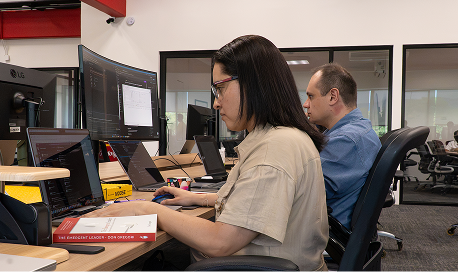
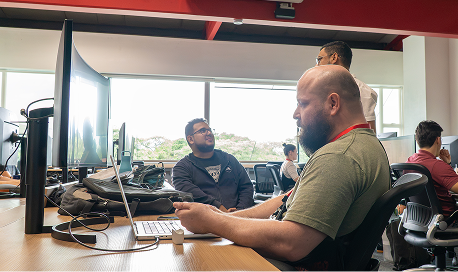
Yes. Most SaaS clients use staff augmentation or a dedicated Scrum team that works inside their sprints, tools, and standups. Our engineers work US time zones from Costa Rica, so collaboration happens in real time instead of across overnight handoffs.